
FEMA 2026 Flood Map Is Now in Effect!

What Oahu Homeowners and Homebuyers Need to Know?
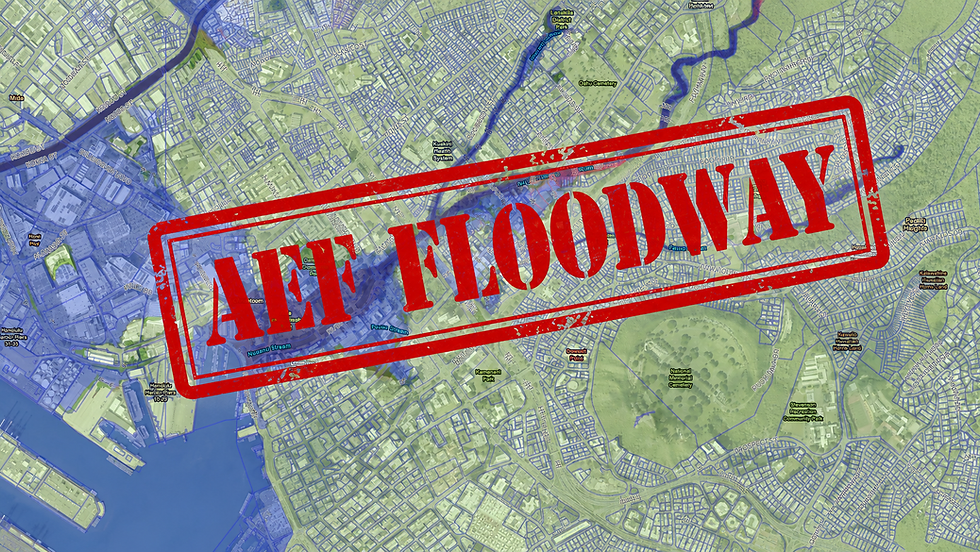
If you’re planning to renovate your home, build an ADU, or purchase a property on Oahu, there’s an important update you should be aware of.
FEMA’s latest Flood Insurance Rate Map (FIRM) officially took effect on June 10, 2026. With this update, some properties may now be classified under different flood zones than before, which could affect future renovations, financing, and flood insurance requirements.
This does not necessarily mean that your home can no longer be renovated, or that your costs will automatically increase significantly. However, knowing your property’s current flood zone early and working with the right professional team before purchasing or beginning the design process can help you identify potential requirements, avoid redesigns, and reduce unnecessary costs.
In this article, we’ll cover:
What has changed with the latest FEMA update?
How could these changes affect existing homeowners?
What should homebuyers pay attention to?
And most importantly, when should you bring in a professional team to evaluate the property and help you plan ahead?
What Is a FIRM?
FIRM stands for Flood Insurance Rate Map.
It is FEMA’s official flood hazard mapping system, developed using information such as topography, hydrology, historical rainfall data, and flood modeling.
This map is more than just a reference. It can also serve as:
An important basis for determining flood insurance requirements
An important reference for local building permit reviews
A factor that may be considered by some lenders when evaluating a property or loan
So, if your property’s flood zone has changed, it could affect future renovations, purchasing decisions, or financing requirements.
What Should Homebuyers Know?
Flood Insurance
If the property is located in a FEMA-designated high-risk flood area and you are obtaining a mortgage from a federally regulated lender, you will generally be required to carry flood insurance.
Flood insurance premiums can vary depending on factors such as the building’s elevation, flood zone, construction type, and other property characteristics. That’s why it’s a good idea to get an insurance quote before you commit to purchasing the property.
Your Financing
When evaluating a mortgage, lenders generally consider recurring monthly obligations such as your mortgage principal and interest, property taxes, homeowners insurance, and flood insurance when calculating your DTI, or Debt-to-Income Ratio.
For some buyers who are already close to a lender’s qualification limits, an additional flood insurance premium could affect their overall borrowing capacity or loan terms.
Understanding this before making an offer can help you build a more realistic budget.
Even if you are a cash buyer, I still recommend checking the flood zone.
Why?
Because when you eventually sell the property, the next buyer may face the same insurance or financing considerations. Understanding the property’s flood risk today can therefore help you better evaluate its long-term ownership costs and future marketability.
AEF (Floodway): Something to Pay Special Attention To
If a property is located within a Floodway (AEF), obtaining a building permit can be more complicated than in a typical AE zone.
A Floodway is an important area designated by FEMA for the conveyance of floodwaters. Depending on the project, additional hydraulic analysis and engineering documentation may be required to demonstrate that the proposed work will not increase flood risks.
As a result:
The design process may take longer
Engineering and consulting costs may increase
The permitting and review process may be more complex
This does not necessarily mean you cannot renovate or build.
It simply means that you should understand these requirements before purchasing the property or committing to a design.
And this is another reason why having a professional team review the property early can make a significant difference.
Three Practical Recommendations From an Architect
1. Check the Flood Zone Before You Buy or Design
Whether you’re a homeowner or a homebuyer, start by checking the latest FEMA and DPP flood maps to determine whether the property is affected by the recent update.
2. Bring in a Professional Team Early
Don’t wait until your design is finished or until after you’ve purchased the property; to discover that additional flood-related requirements apply.
An architect and the appropriate engineering professionals can help evaluate the property, identify potential issues, and determine what may be required before you move forward.
The earlier you identify these issues, the more opportunities you have to adjust your plans and avoid unnecessary redesign and costs.
3. Understand Insurance and Financing Before You Purchase
Before buying, ask for an estimate of the flood insurance premium and talk with your lender about whether it could affect your loan qualification.
This allows you to understand the true cost of owning the property, not just the purchase price.
FEMA’s updated flood maps are intended to reassess flood risks using the latest available data and improve public safety.
For some homeowners, the update may result in additional design, permitting, or construction requirements.
But the key is planning ahead.
Whether you are buying a property, renovating your existing home, or planning to build an ADU, the best time to bring in a professional team is before you commit to the property or finalize your design, not after you discover a problem.


Comments